
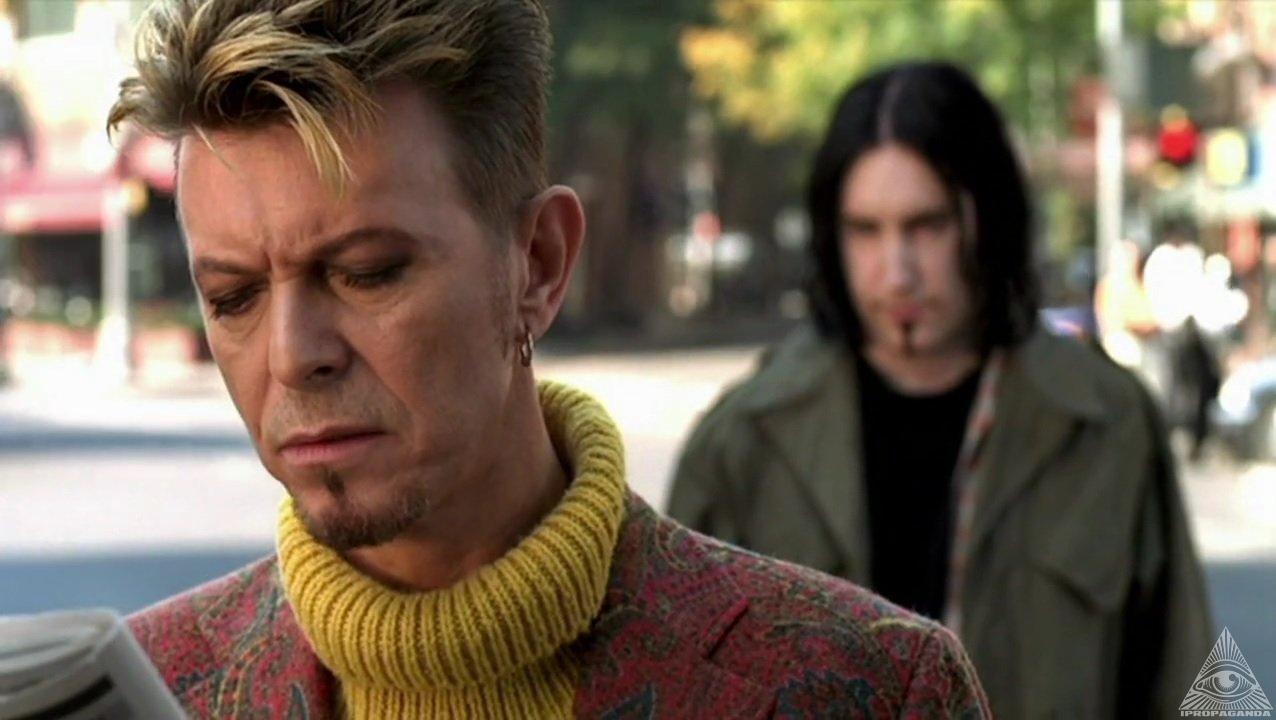
I'm Afraid of Americans
David Bowie’s “I’m Afraid of Americans” no longer feels like commentary—it feels like a diagnosis delivered early and ignored. What began as an external warning about unchecked power and exported fear now echoes urgently from within America’s own political voice.
------------------
Bowie’s “I’m Afraid of Americans” (1997) is a sharp, unsettling critique of American power, violence, and cultural influence at the end of the 20th century—filtered through fear, paranoia, and global unease rather than simple anti-American sentiment.
Core themes
1. Fear of exported violence, not ordinary people
Bowie was clear: the song isn’t about Americans as individuals. It’s about the systems America exports—guns, corporate dominance, militarism, and cultural aggression. The repeated line “I’m afraid of Americans” reflects how U.S. power is perceived abroad: unpredictable, armed, and omnipresent.
2. Johnny as a symbol
The character “Johnny” represents a particular archetype:
Hyper-masculine
Armed (“Johnny wants a brain” / “Johnny wants a gun”)
Consuming culture without reflection
Johnny is not every American—he’s American extremity, a byproduct of unchecked nationalism and consumerism.
3. Cultural imperialism & capitalism
References to malls, brands, and Hollywood point to how American culture floods the globe, flattening local identities. Bowie admired American creativity, but feared how commerce overtook conscience.
4. Paranoia and surveillance
The song’s anxious tone mirrors a world where America is both protector and threat, especially from an outsider’s perspective in the post–Cold War, pre-9/11 era.
Why Trent Reznor matters
The Nine Inch Nails remix amplified the song’s menace—industrial, abrasive, and aggressive—transforming it from observation into confrontation. Reznor’s involvement sharpened its critique of masculinity, power, and technological alienation.
In short
“I’m Afraid of Americans” is about what happens when power goes unexamined—when fear, violence, and dominance become normalized and exported as culture. It’s not an insult. It’s a warning.
And nearly three decades later, it feels less like paranoia—and more like prophecy.