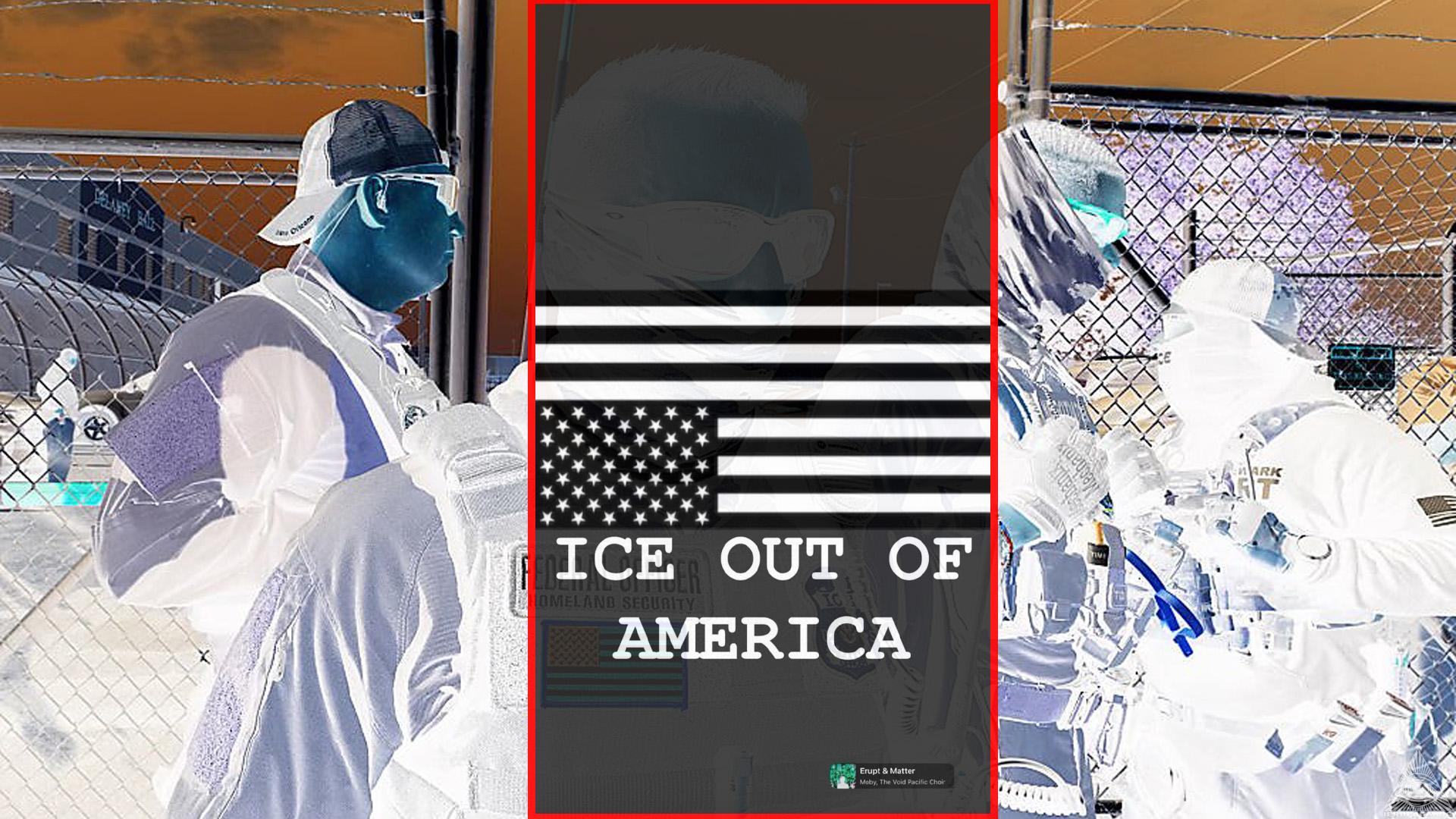
Moby’s Facebook reel is not content—it’s an alarm. Raw devastation, stripped of ornament, stripped of comfort. There’s no attempt to seduce the viewer, no aesthetic distance to hide behind. What remains is a blunt moral directive, delivered with relentless clarity: erupt and matter—or accept complicity.
Set against “Erupt & Matter” by Moby & The Void Pacific Choir, the rhythm doesn’t simply accompany the image; it beats like a demand. A demand for conscience. A demand for interruption. The percussion feels less like music and more like a collective pulse—urgent, primal, insistent—reminding us that silence is not neutrality, it is participation.
This is protest without slogans, rage without theatrics. The power of the reel lies in its refusal to dramatize cruelty; instead, it exposes how normalized brutality has become. The horror isn’t just what’s happening—it’s how easily it’s absorbed, scrolled past, rationalized. Moby confronts us with the uncomfortable truth that systems of violence don’t collapse from exposure alone; they persist because enough people choose distance over responsibility.
“Erupt & Matter” is not a metaphor. It is instruction. To erupt is to disrupt the smooth functioning of injustice. To matter is to reject the lie that individual voices are inconsequential. Together, they form a refusal—of apathy, of moral outsourcing, of the idea that this moment belongs to someone else to fix.
Moby isn’t asking for outrage as performance. He’s demanding presence. Awareness that costs something. Action that risks discomfort. Because the real madness isn’t the brutality itself—it’s how quietly it’s been folded into everyday life, waiting for us to decide whether we will finally interrupt it, or continue to live inside it.
This is not art as commentary.
This is art as confrontation.