Introduction
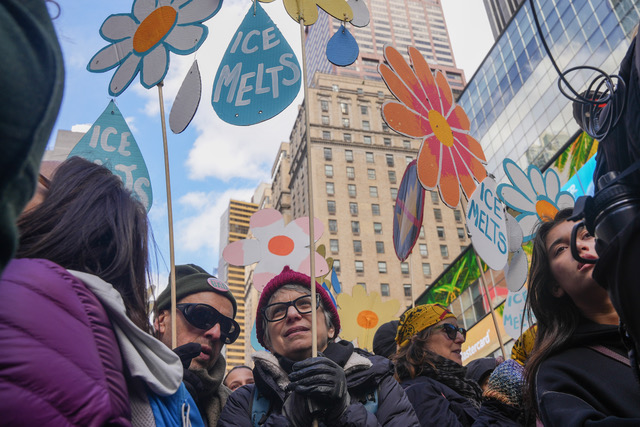
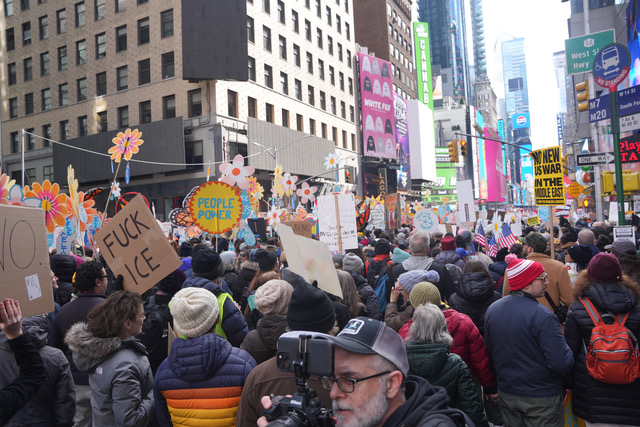
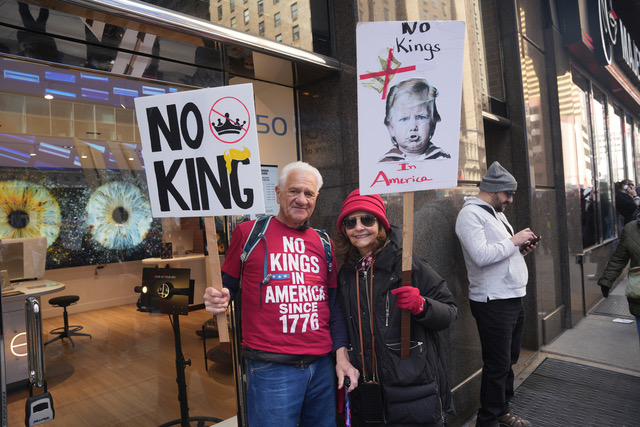
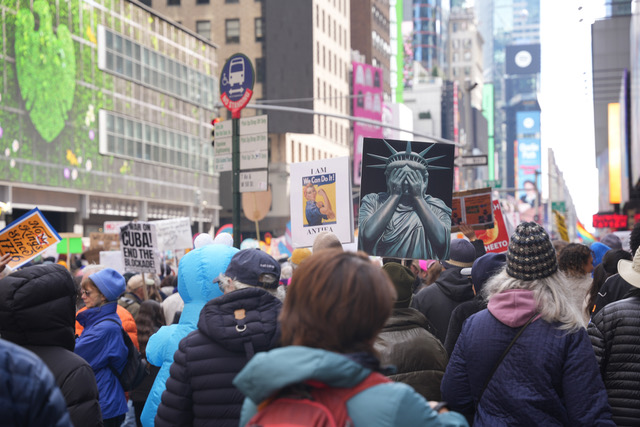
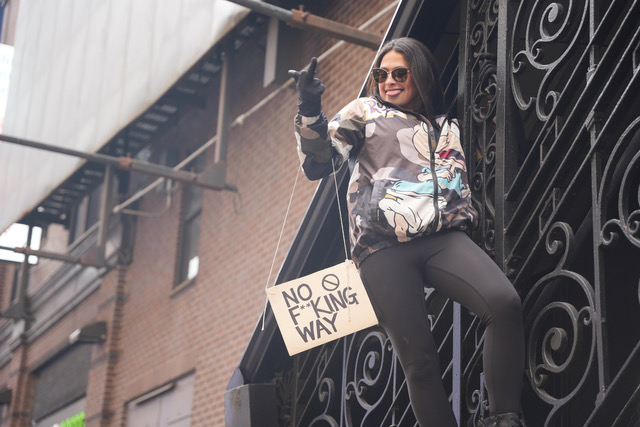
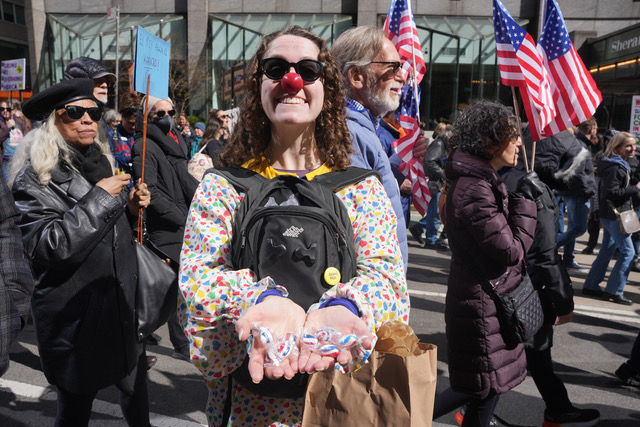
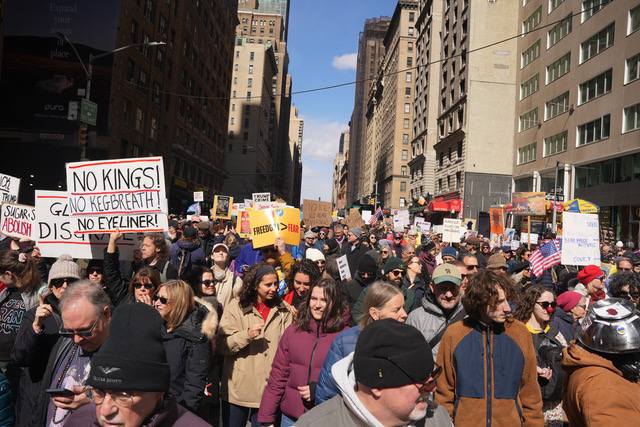
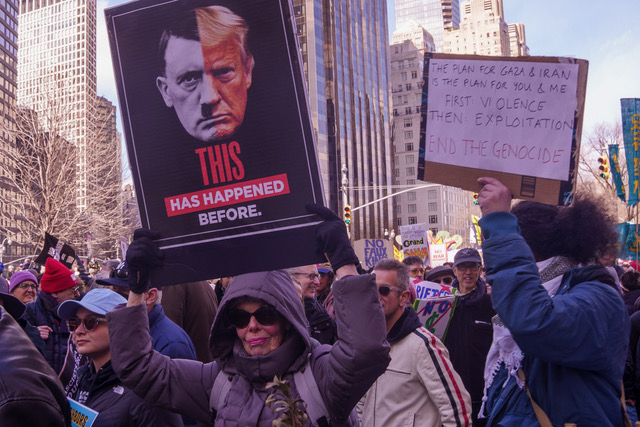
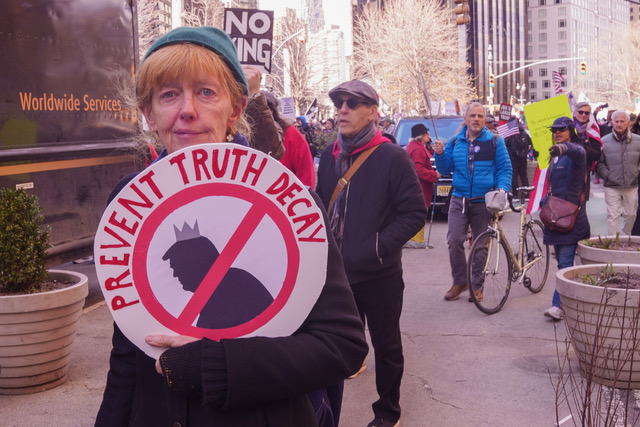
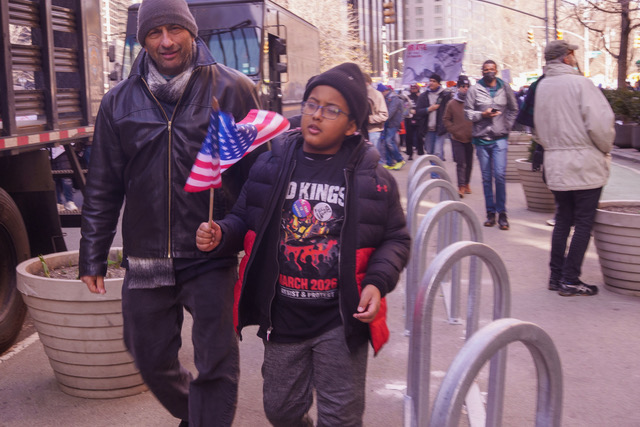
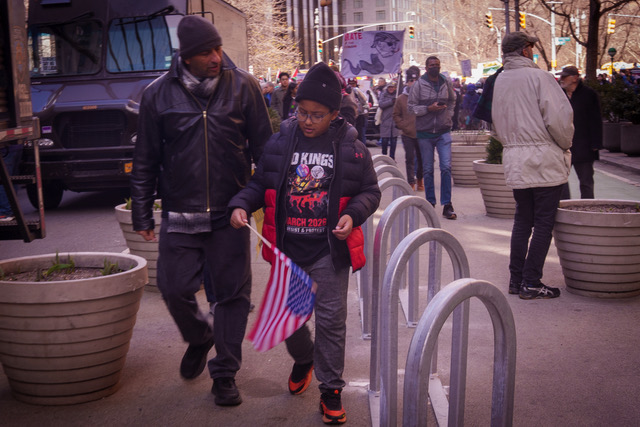
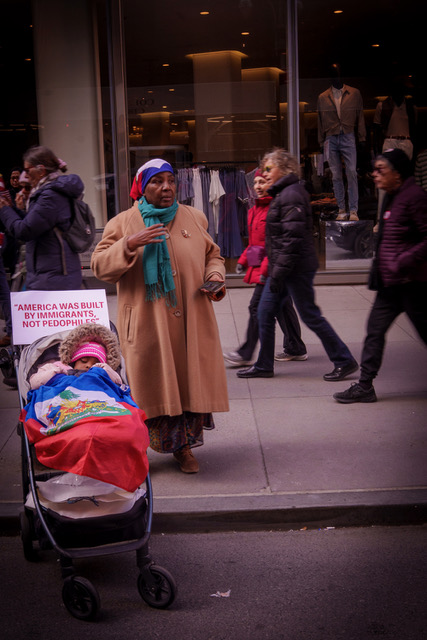
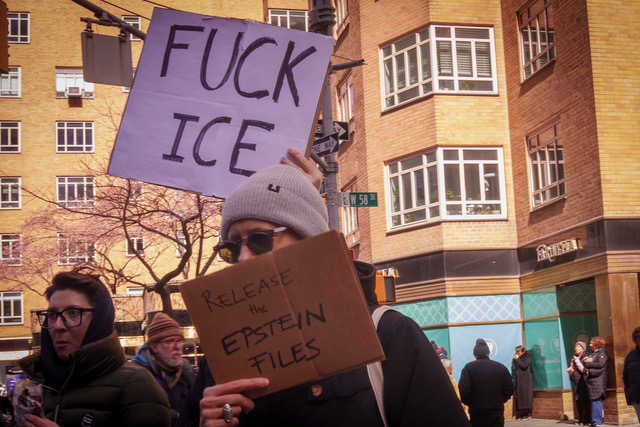
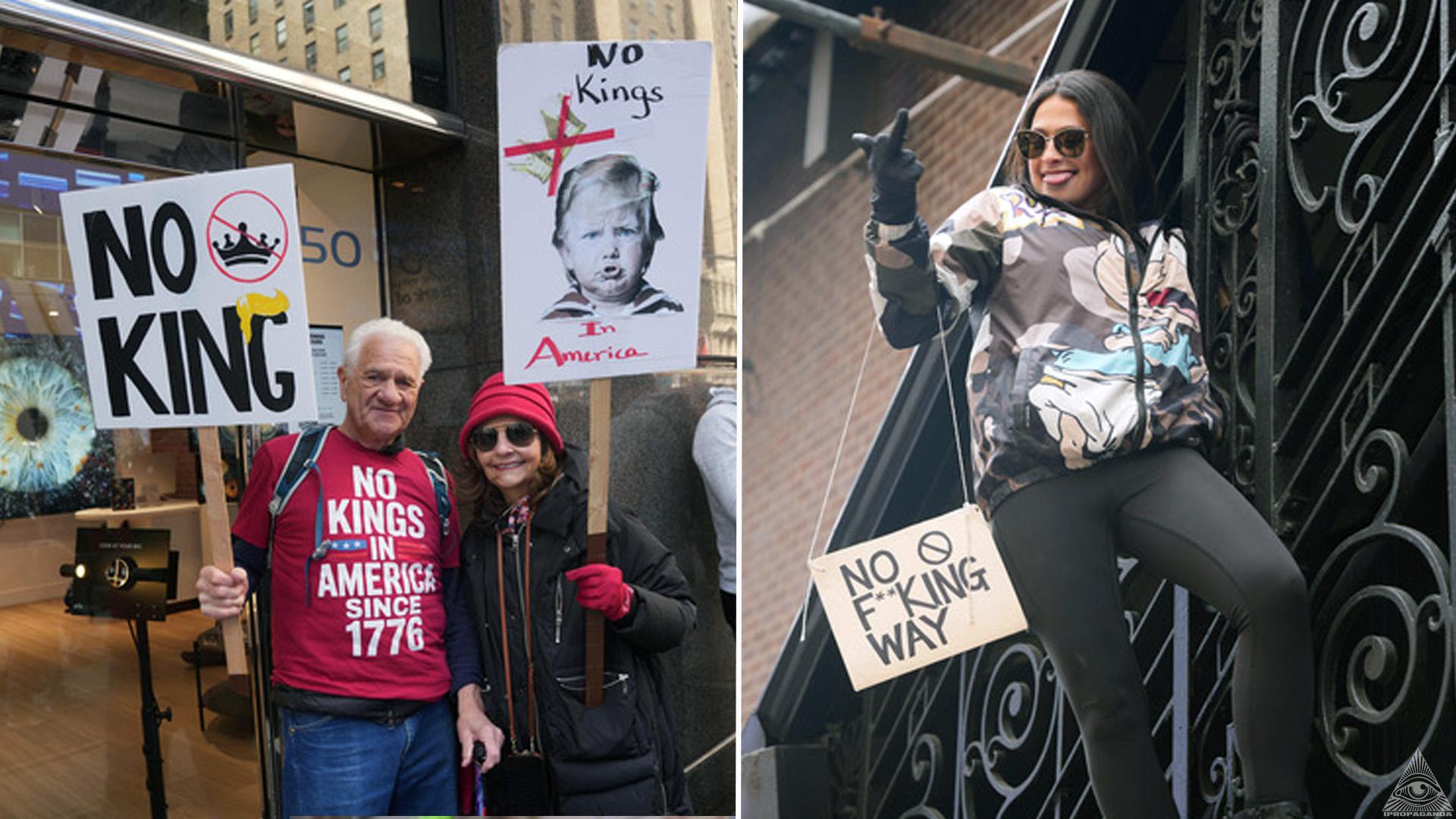
No Kings. Not then, not now—that was the pulse moving through streets across the country this past Saturday. The rally wasn’t about nostalgia for a founding ideal; it was a direct confrontation with a present reality where power feels increasingly concentrated, insulated, and unquestioned. “No Kings” has became a shared language—simple, sharp, and unignorable—used by millions to reject the idea that authority should rise above accountability.
------------------------
There is a line running through your piece—Not Our America—that doesn’t read like rejection.
It reads like recognition.
A refusal to inherit something broken without interrogation.
And this past Saturday, that refusal didn’t stay on the page.
It moved.
The streets answered
Across thousands of cities, from dense urban grids to quiet rural roads, people stepped outside and said something simple, ancient, and dangerous:
No Kings.
Not metaphorically. Not poetically. Literally.
Millions showed up—not because everything is broken, but because something is being revealed. Power concentrating. Language shifting. Systems bending in ways that feel… familiar.
And what your article articulated with precision, the streets made undeniable:
This is not the America we were told to believe in.
But here’s the turn—
This is our America.
Not the myth.
Not the brochure.
Not the version polished for comfort.
This one.
Contradictory. Unsettled. Alive.
The illusion cracks—and something else appears
Not Our America dismantles the idea of a clean, unified national identity. It exposes the fiction that America has ever been whole, fair, or complete.
That illusion depends on distance.
Saturday erased that distance.
People didn’t just protest policies.
They confronted the architecture of belief:
- That power should move without accountability
- That inequality is natural, inevitable, acceptable
- That participation is optional
When people chant “No Kings,” they are not only rejecting a figure.
They are rejecting the instinct to kneel—to systems, to narratives, to inherited silence.
And in that rejection, something sharper emerges:
Ownership.
This is the real America
Not the one handed down.
The one contested.
The one argued over in real time.
The one where:
- Protest and celebration occupy the same street
- Anger and hope exist in the same body
- Unity is imperfect, but still chosen
That’s not dysfunction.
That’s democracy in its most unfiltered form.
The contradiction isn’t a flaw.
It’s the mechanism.
The danger of the moment—and the opportunity
Moments like Saturday are often misunderstood.
People think the protest is the peak.
It’s not.
It’s the signal.
Because movements don’t disappear when people stop caring.
They disappear when people mistake being present for being committed.
Your article sits in that tension.
It doesn’t just name the problem.
It asks—quietly but persistently—
What are we actually willing to build?
A different understanding of “ours”
Maybe the shift is this:
We stop chasing an imaginary version of America that never existed.
And we start accepting that “ours” doesn’t mean perfect.
It means participated in.
Fought over.
Cared for.
Held accountable.
“This! Is Our America !!!” is not a declaration of arrival.
It’s a declaration of responsibility.
Moving forward
The streets spoke.
Now comes the harder part:
Staying.
Organizing.
Building.
Challenging.
Imagining beyond reaction.
Because if Saturday proved anything, it’s this—
People are still willing to show up.
Still willing to push back.
Still willing to believe that something different is possible.
So the question is no longer:
“Is this our America?”
We’ve seen the answer.
This—right here, in all its tension and possibility—
is ours.
The real question is:
What do we do with it now?