
Urgency as Witness, Power as Defendant

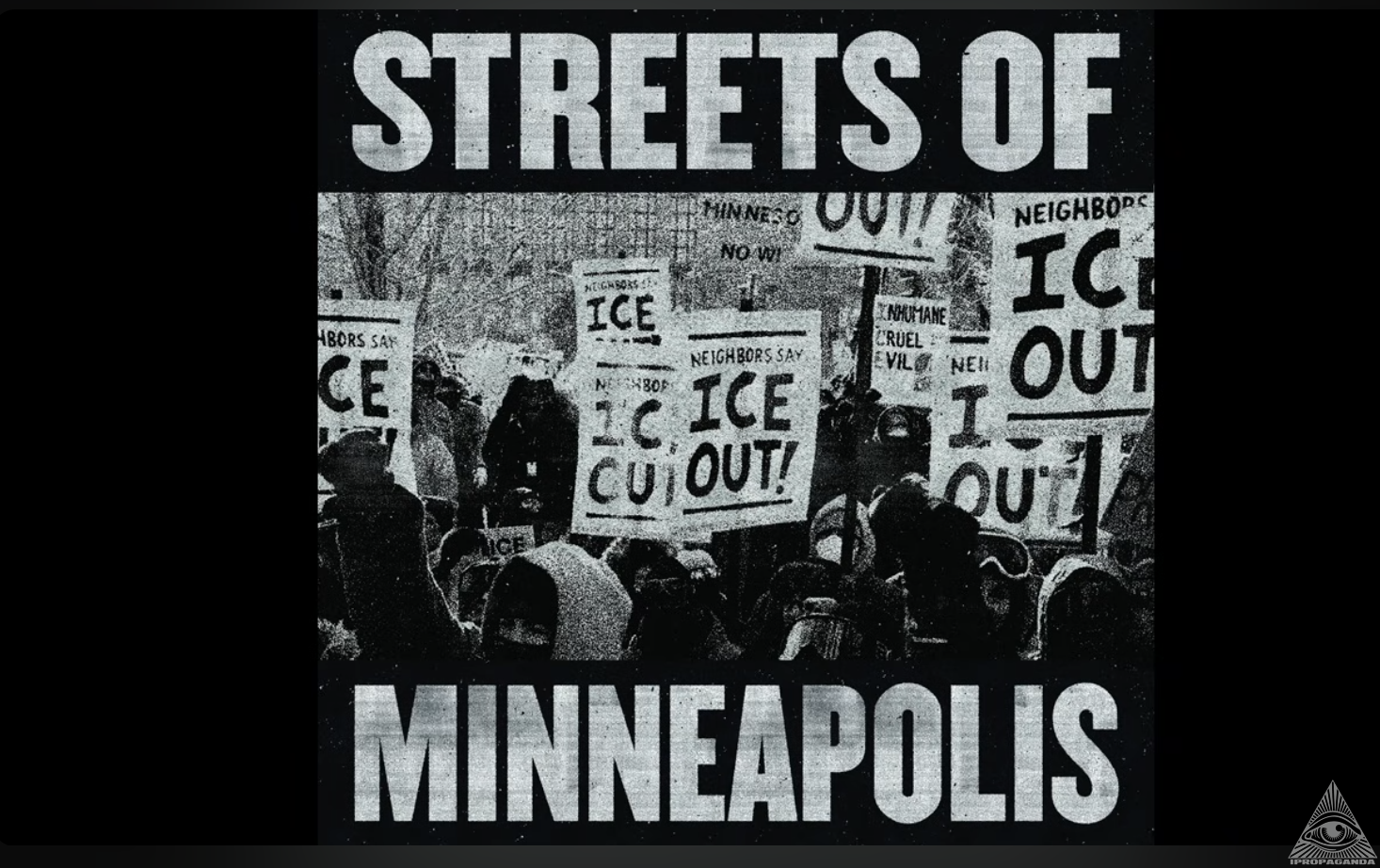
Streets of Minneapolis Sign in front of protesters

This is not a song released for relevance or reflection — it is a response issued under pressure, at the speed of injustice itself. Streets of Minneapolis stands as both an acknowledgment of a city’s unbroken resolve and a clear indictment of the political forces that made this violence inevitable.

When Speed Becomes Evidence and Silence Becomes Complicity

Streets of Minneapolis expands beyond a song into a formal act of acknowledgment — not only of a city’s endurance, but of where responsibility lies. Its speed of composition is not incidental; it is evidentiary. Springsteen wrote and released this piece in short order because the violence it responds to was immediate, bureaucratic, and sanctioned. Delay would have softened the truth. Urgency preserves it.

At its core, the song honors the tenacity of Minneapolis — a city that has repeatedly been forced into the national conscience by state violence, and that has repeatedly refused to retreat into silence. These streets are not abstract symbols; they are lived terrain. Sites of grief, organizing, and refusal. Springsteen’s directness mirrors the clarity of a community that already understands the stakes and no longer requires euphemism.

But the song also functions as a profound indictment. By naming power plainly, it rejects the comfort of distance. The responsibility for this travesty does not dissolve into “systems” or “mistakes.” It points upward — toward Donald Trump’s authoritarian posture, Kristi Noem’s performative cruelty, and Stephen Miller’s ideological architecture of punishment and exclusion. This is not partisan rhetoric; it is accountability. The song frames ICE not as an aberration, but as an instrument — a force shaped by political will, policy design, and racialized intent.

What makes Streets of Minneapolis resonate is not lyrical complexity but moral clarity. It understands that protest, when it is alive, does not wait for aesthetic refinement. It documents while wounds are still open. It bears witness while names are still being spoken aloud.

In an era where power depends on exhaustion, confusion, and forgetting, this song refuses all three. It affirms Minneapolis not as a tragedy to be consumed, but as a community that continues to stand, organize, and demand more. And it makes clear that the violence inflicted there is not accidental — it is authored.

That acknowledgment, delivered at the speed of injustice itself, is not symbolic.

It is an indictment on record.


Video
Review by