Britain drew a moral line this week — just not the one it thinks it did.
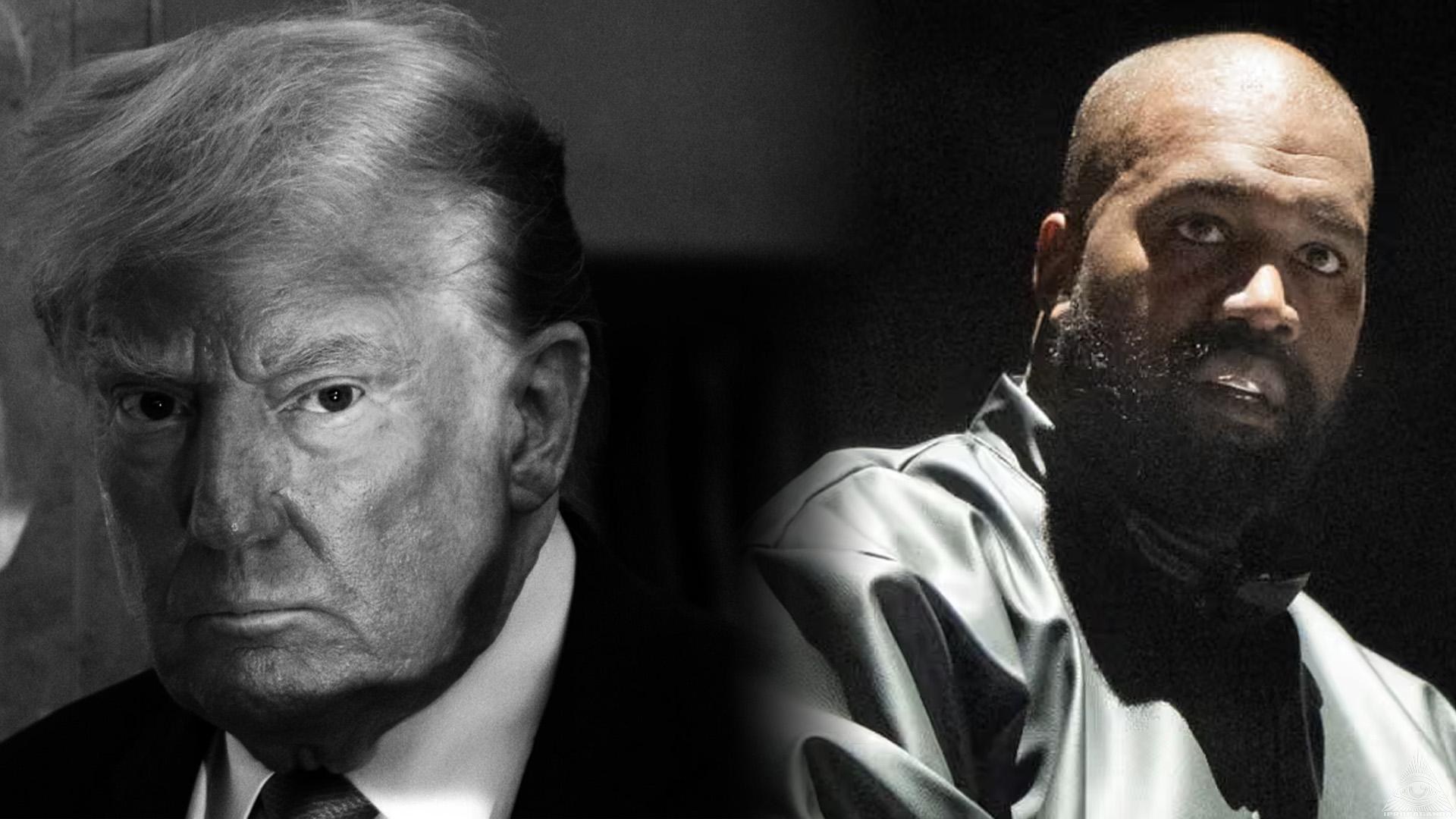
Six months ago, Britain rolled out its largest military welcome in living memory for a sitting American president — convicted felon, twice-impeached, facing credible accusations of human rights abuses. This week, in a decision that is dominating headlines and ignited a debate, it banned a rapper from boarding a plane to play a music festival in July.
The rapper's offenses are real. Ye has spent years descending into antisemitism so brazen it appalled even the entertainment industry. He released a song called "Heil Hitler." He sold merchandise bearing a swastika. After weeks of public outcry, corporate sponsors fleeing, politicians from the Prime Minister down demanding action, and protests from Jewish community groups — the UK Home Office finally withdrew his Electronic Travel Authorization, declaring his presence "not conducive to the public good." The Wireless Festival was canceled entirely.
Few will mourn the cancellation. The question isn't whether Ye deserved the ban. The question is what it reveals that he got one while Donald Trump got a gilded horse-drawn carriage through Windsor.
The British government will tell you these situations are legally incomparable — and technically, that's true. State visits operate under diplomatic law that grants sitting heads of state near-absolute access, regardless of personal conduct. Immigration powers, the very tool used to bar Ye, simply don't apply to a foreign president. The two situations exist in different legal universes.
But the law and morality are not the same thing, and Britain is not making a legal argument. It is making a statement. Every image of King Charles and Trump in that carriage back in September — the bands playing, the red tunics, the RAF flypast — was a statement. The choice to stage the visit outside London, to minimize protest visibility, to host the most elaborate welcome in a generation for this particular man: these were all choices. Deliberate, conscious ones.
Meanwhile, some fifty protest groups filled the streets of London that September. Images of image of Trump alongside Jeffrey Epstein were projected onto Windsor Castle's walls. Four people were arrested for it. Thousands marched under the banner "Trump Not Welcome" — the same verdict the Home Office eventually reached about Ye, only applied with far less public pressure required.
What Britain has demonstrated across these two moments is the oldest rule in politics: moral frameworks are for the powerless. Ye has no nuclear codes, no trade leverage, no capacity to impose tariffs on British steel. Trump has all of these things. So Ye gets banned after a weeks-long national uproar, and Trump gets white-tie dinners — because consequence is a luxury reserved for those who cannot hurt you back.
There is something almost clarifying about the contrast. It strips away the polite fiction that nations ban people because of their values. They ban people because they can afford to. They welcome monsters when the monsters are useful. The carriage isn't pageantry. It's a price tag.
None of this excuses Ye. His descent into hate speech is a tragedy compounded by willfulness, and his exclusion from the UK is reasonable. But reason applied selectively isn't principle. It's convenience dressed up in the language of decency.
Britain has now told the world exactly what it believes — across two very public, very loud moments: that antisemitism disqualifies you from entry, but felonies, incitement, and credible accusations of human rights violations do not — provided you arrive on Air Force One.